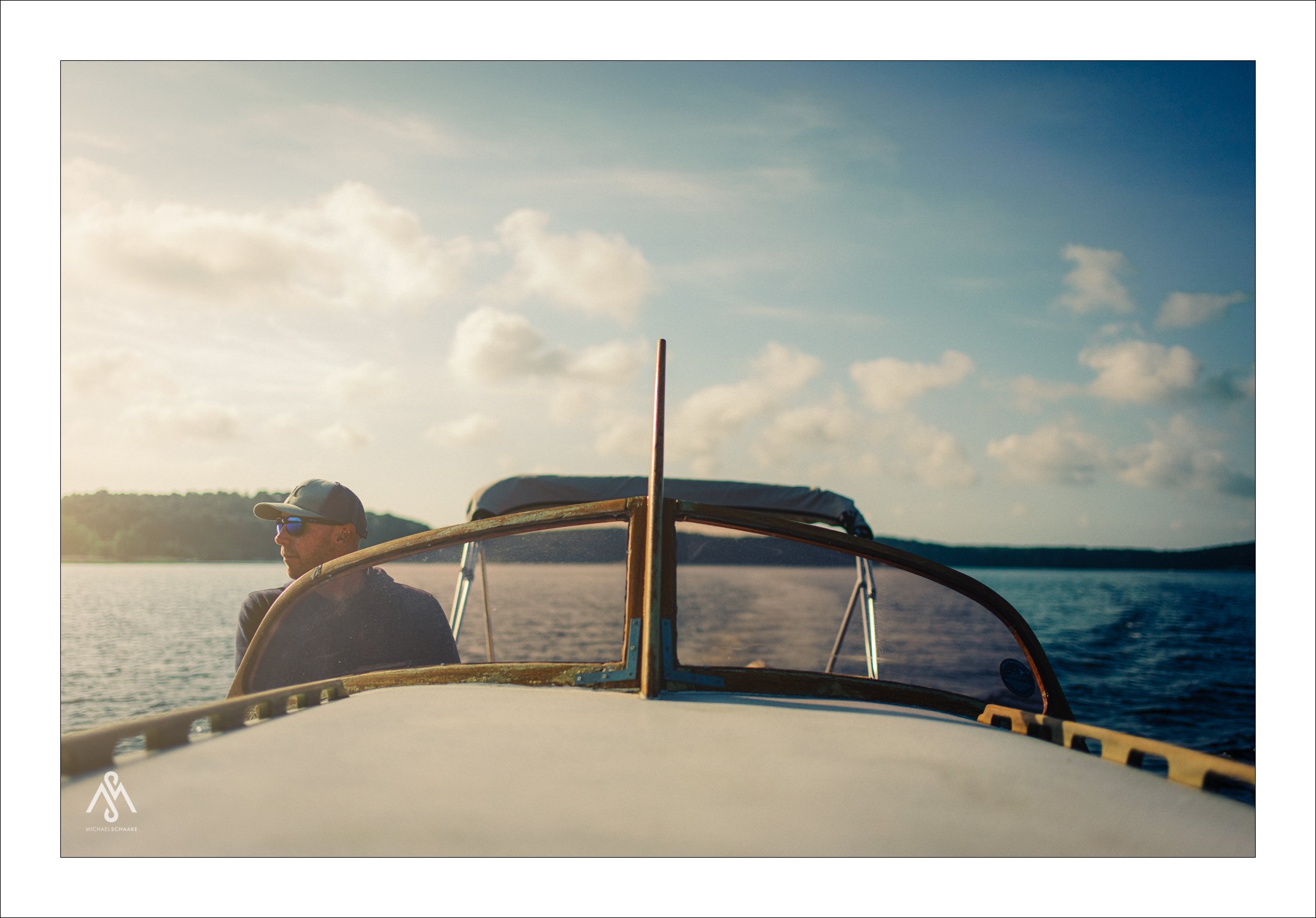
Photography in Lacanau-Océan: Beaches, Lakes and Atlantic Light
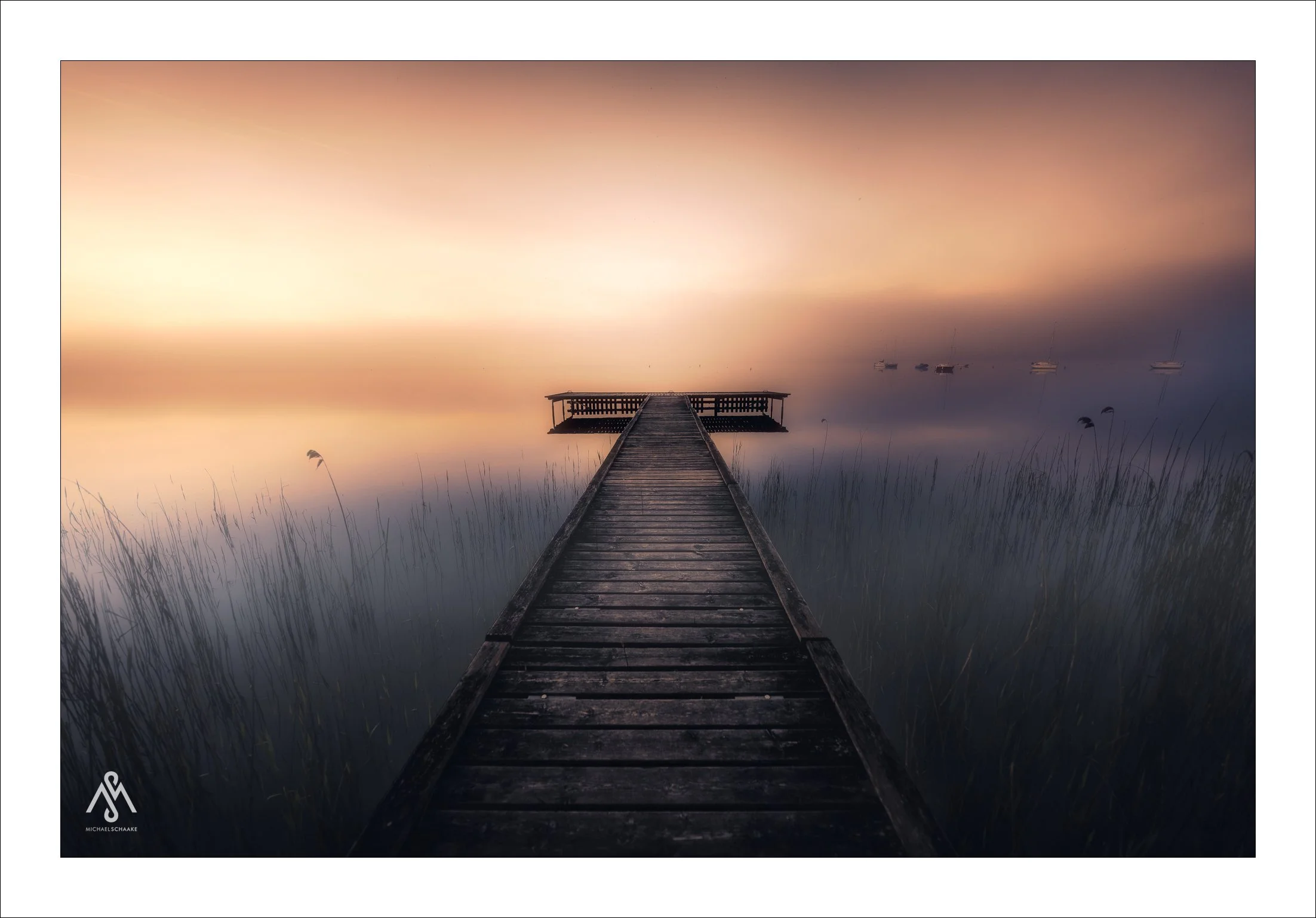
Lacanau-Océan – ein vertrauter Ort, neu gesehen
Mit sechs Jahren bin ich zum ersten Mal mit meinen Eltern nach Südfrankreich gefahren. An die Atlantikküste, nach Lacanau-Océan. Ein Ort, der für mich längst mehr ist als ein Reiseziel. Er ist Erinnerung, Wiederkehr, Sand unter den Füßen, Piniengeruch in der Luft, Atlantikrauschen im Hintergrund.
Seit mittlerweile über 50 Jahren fahre ich dorthin. Und vielleicht liegt genau darin die eigentliche fotografische Herausforderung: Wenn man einen Ort so gut kennt, glaubt man irgendwann, alles gesehen zu haben. Man läuft durch vertraute Straßen, über bekannte Dünenwege, schaut auf denselben Strand, denselben Wald, dasselbe Licht – und sieht manchmal den Sand vor lauter Dünen nicht mehr.
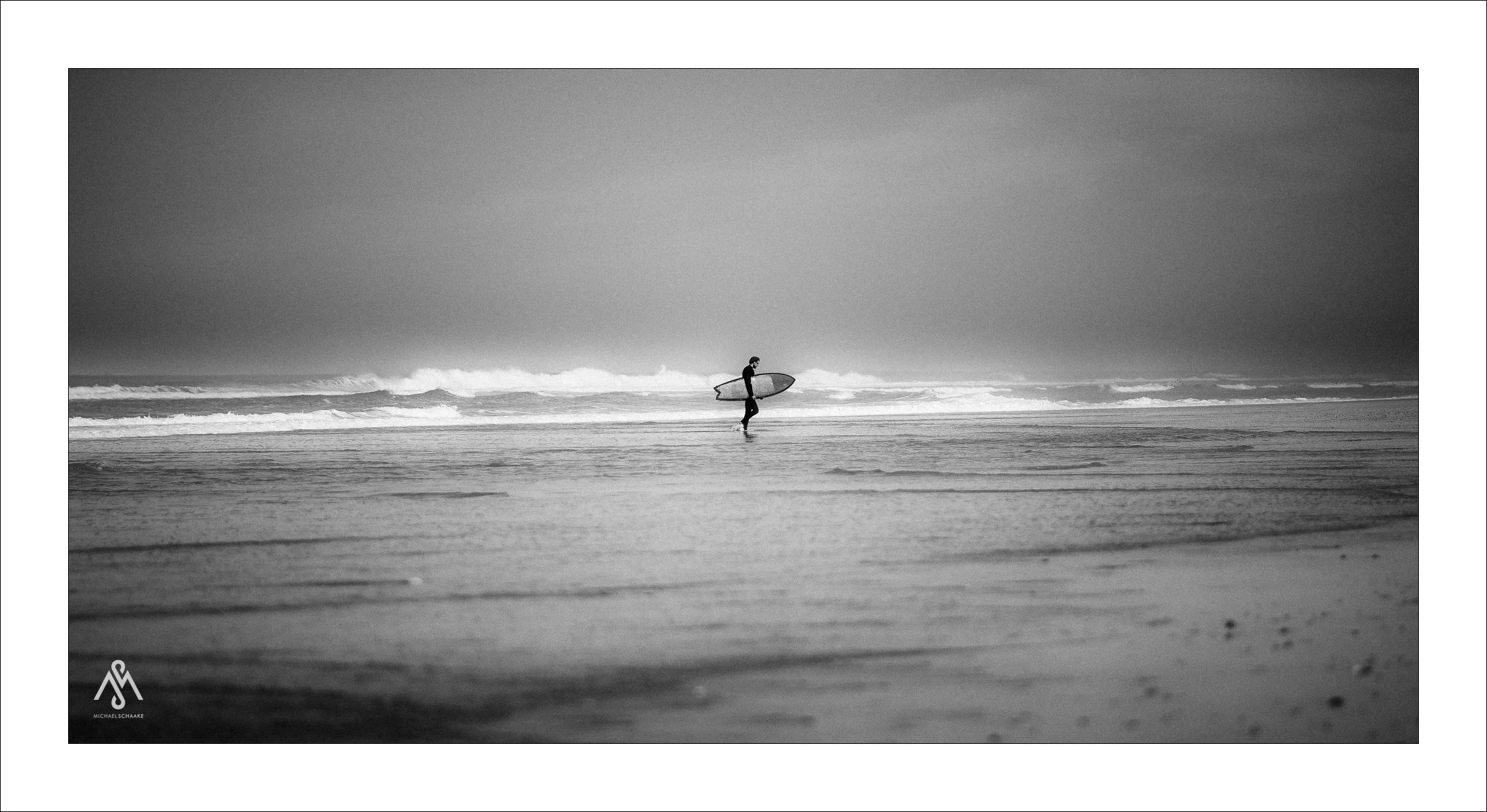
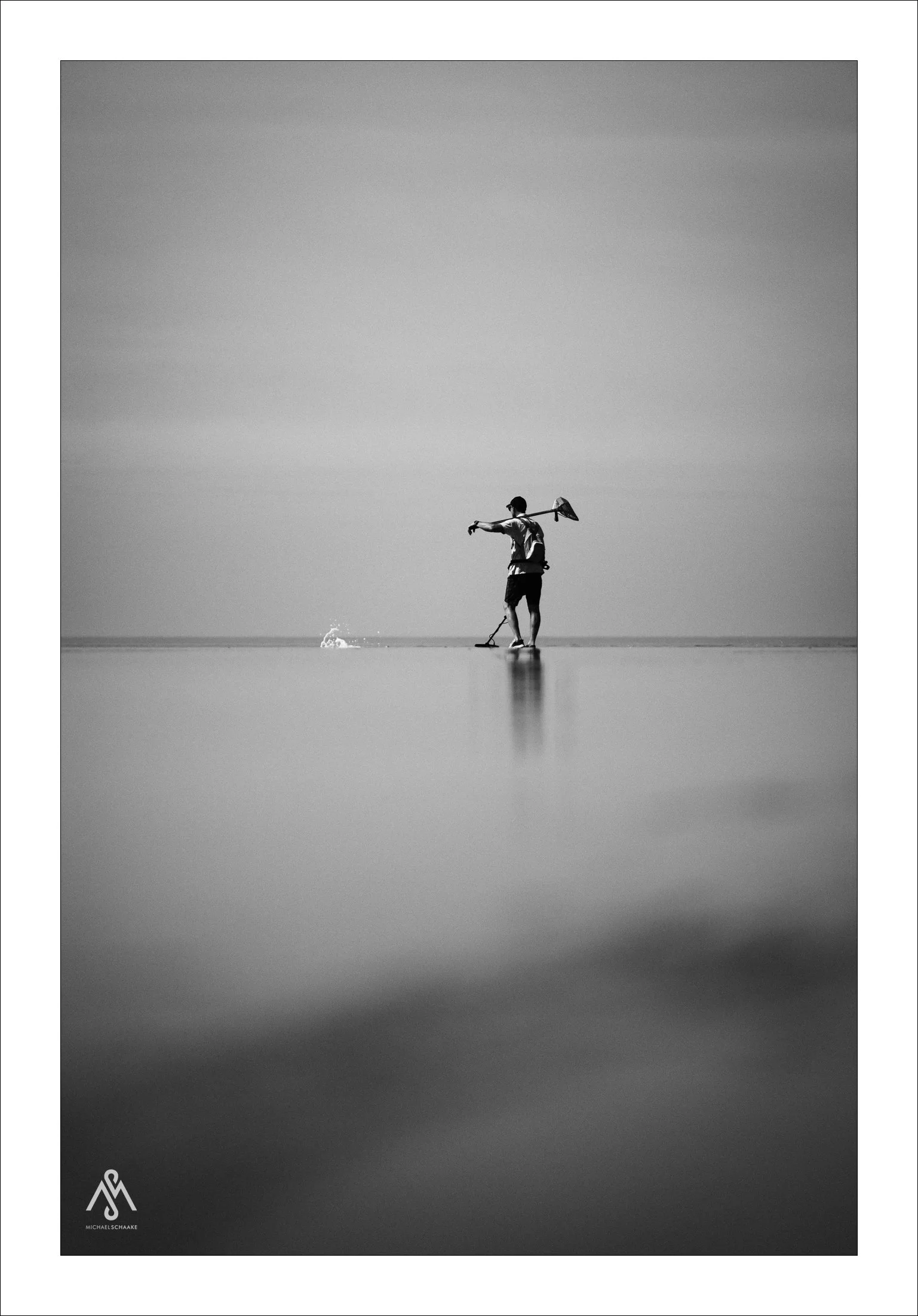
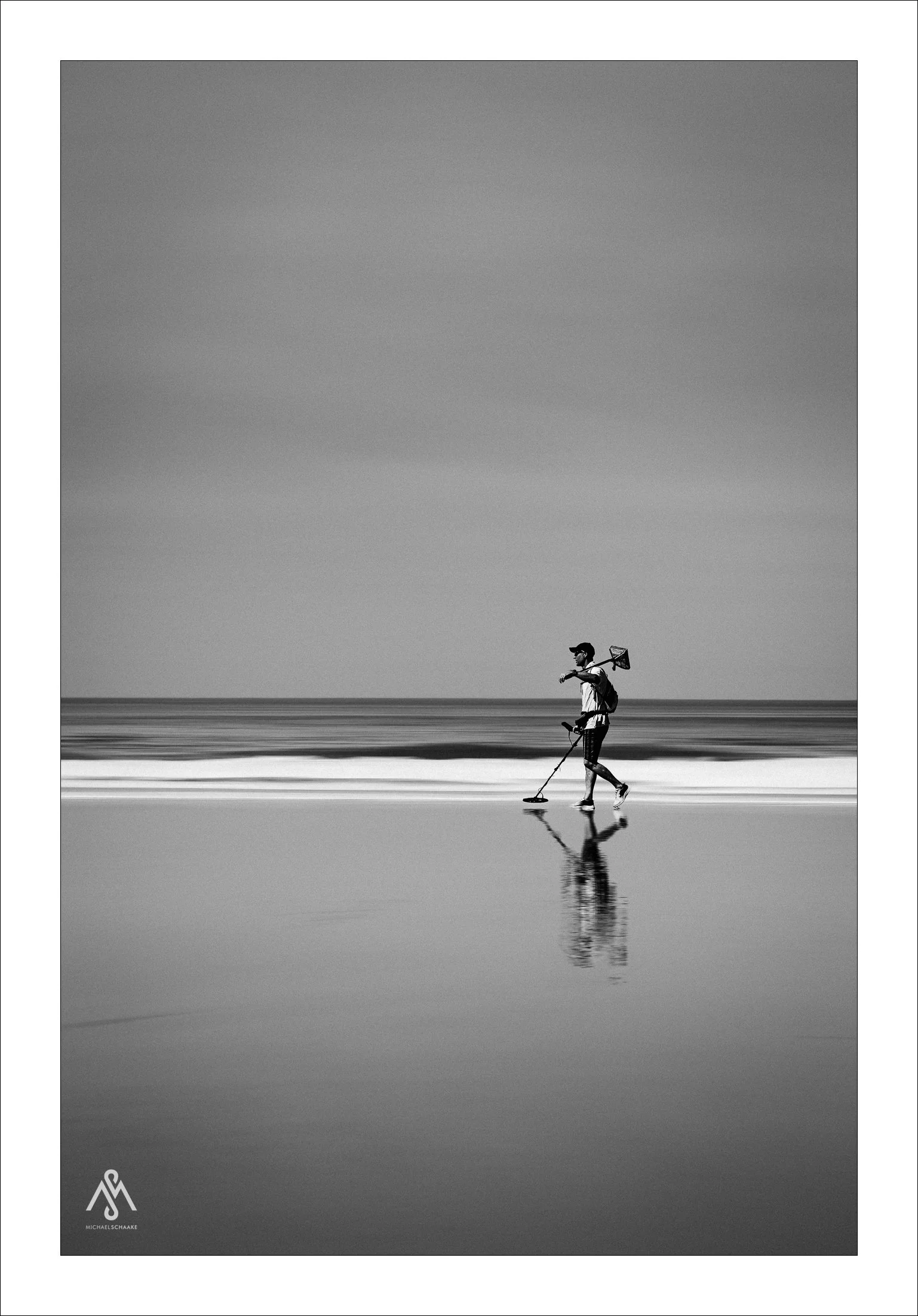
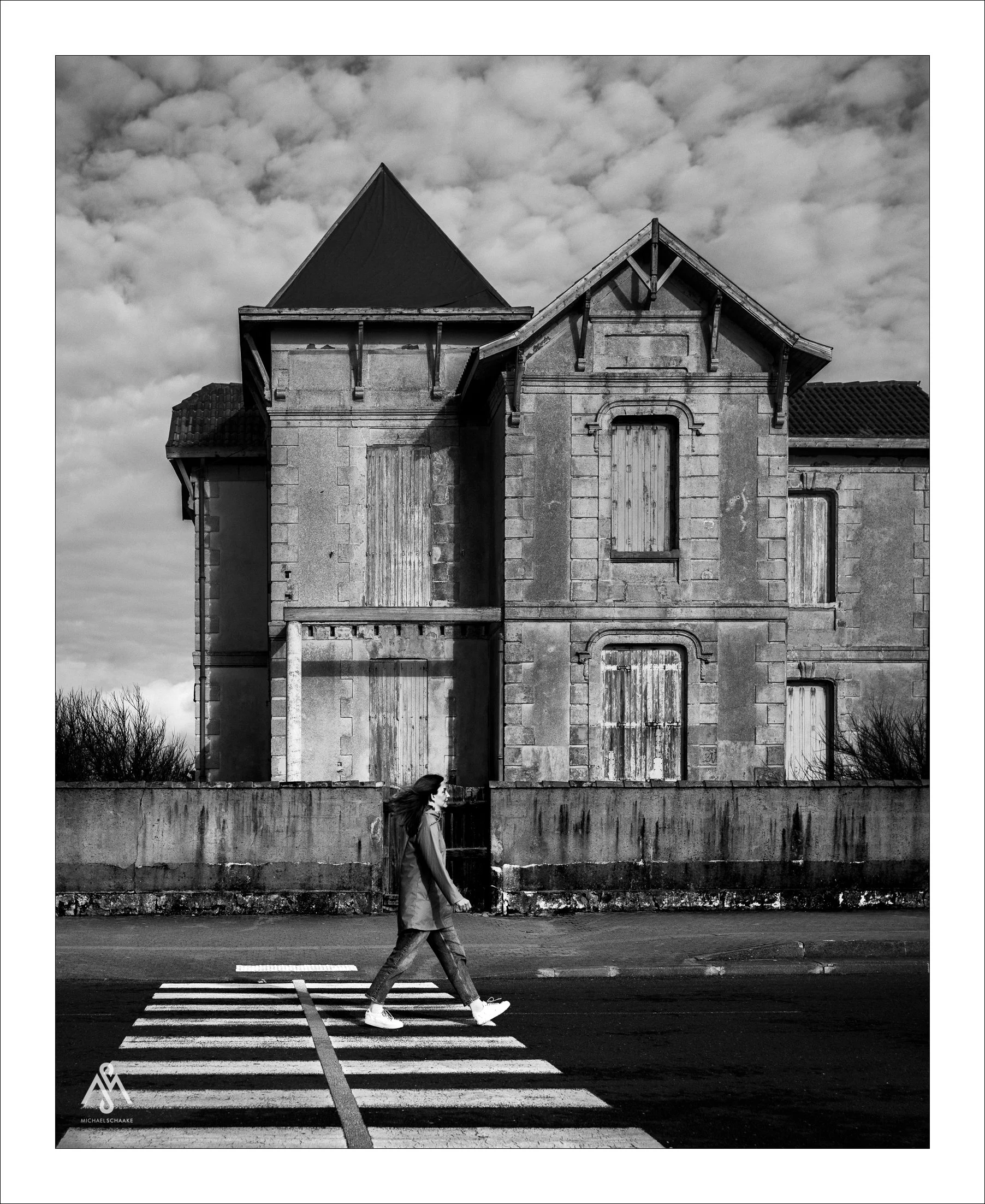
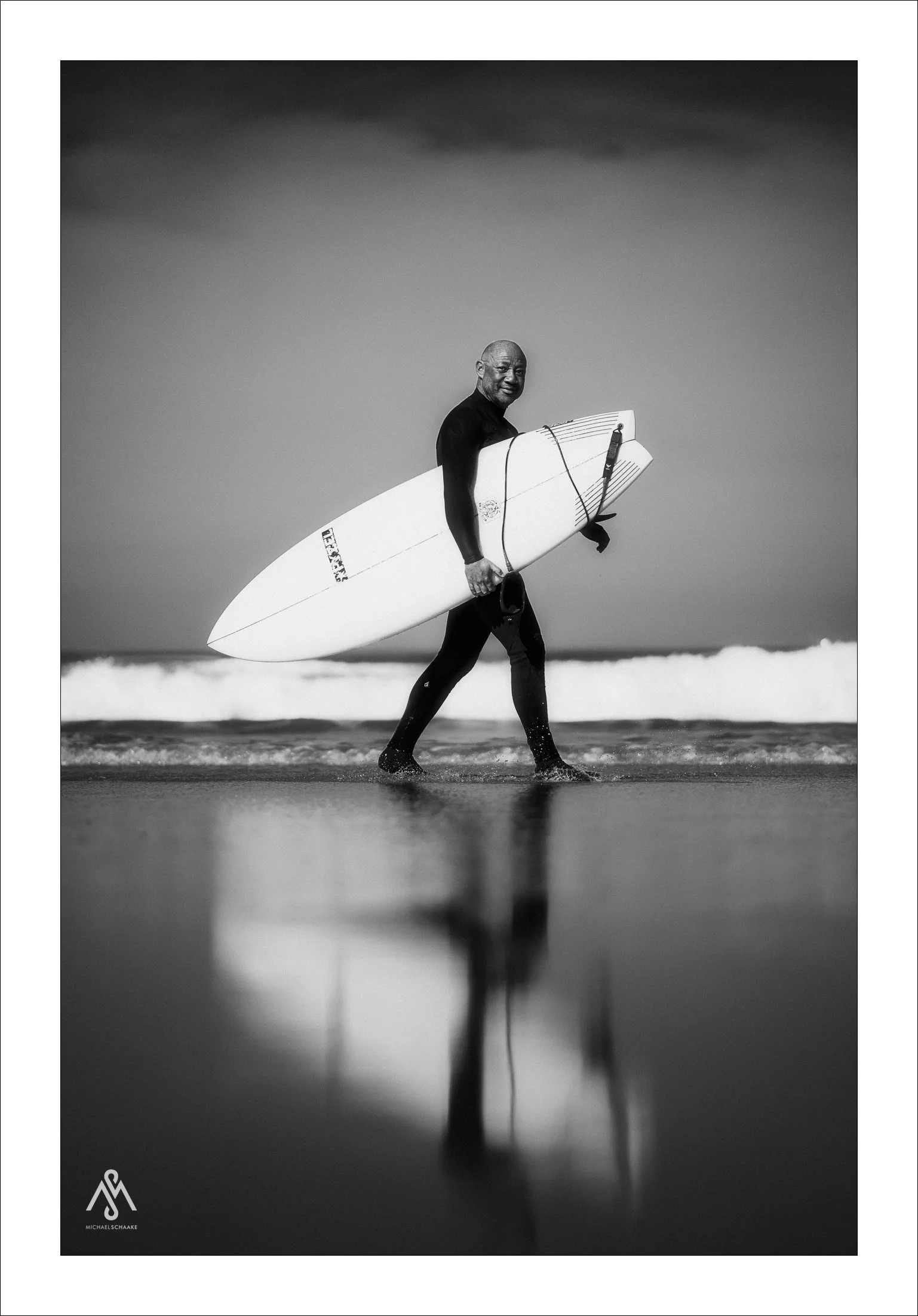
Diesmal bin ich mit einem anderen Blick nach Frankreich gefahren. Nicht mit dem Anspruch, die große Landschaft neu zu erfinden, sondern mit der Offenheit, auch das Kleine, Beiläufige und Menschliche zu sehen. Denn es muss nicht immer nur Landschaft sein. Manchmal erzählt ein Moment am Strand, eine Szene im Ort oder eine flüchtige Bewegung im Gegenlicht genauso viel über einen Ort wie ein weiter Blick über See, Wald oder Meer.
Mit dabei waren meine Sony-Kamera Alpha 1 II, bewusst reduziert auf wenige Objektive: hauptsächlich Festbrennweiten und als einziges Zoom das 12–24 mm G Master. Diese Beschränkung war wohltuend. Sie zwingt zur Entscheidung, zum Gehen, zum Suchen. Statt beliebig zu zoomen, muss man sich bewegen, den Standpunkt verändern, näher heran oder weiter zurück. Genau dadurch entstehen oft die besseren Bilder.
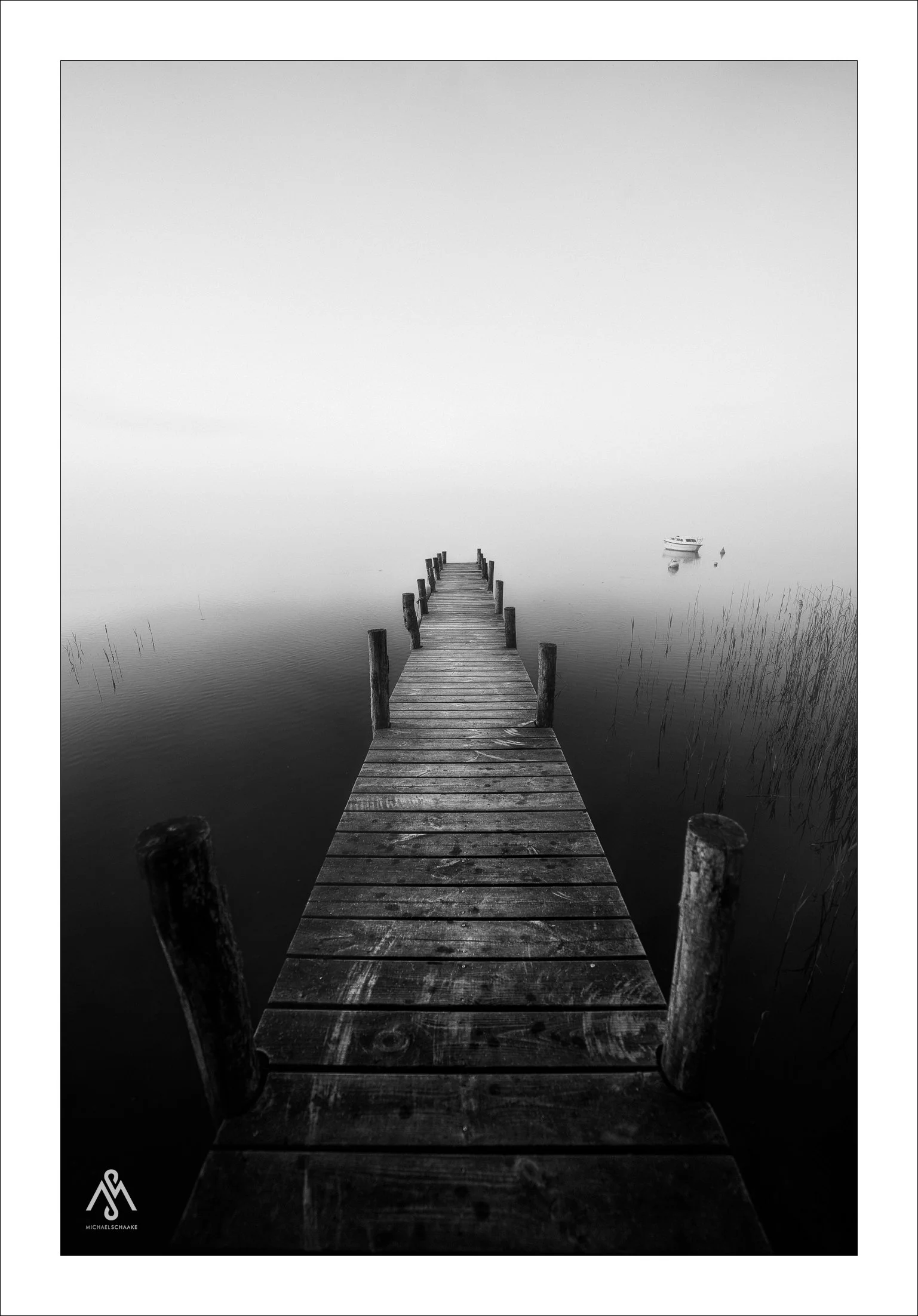
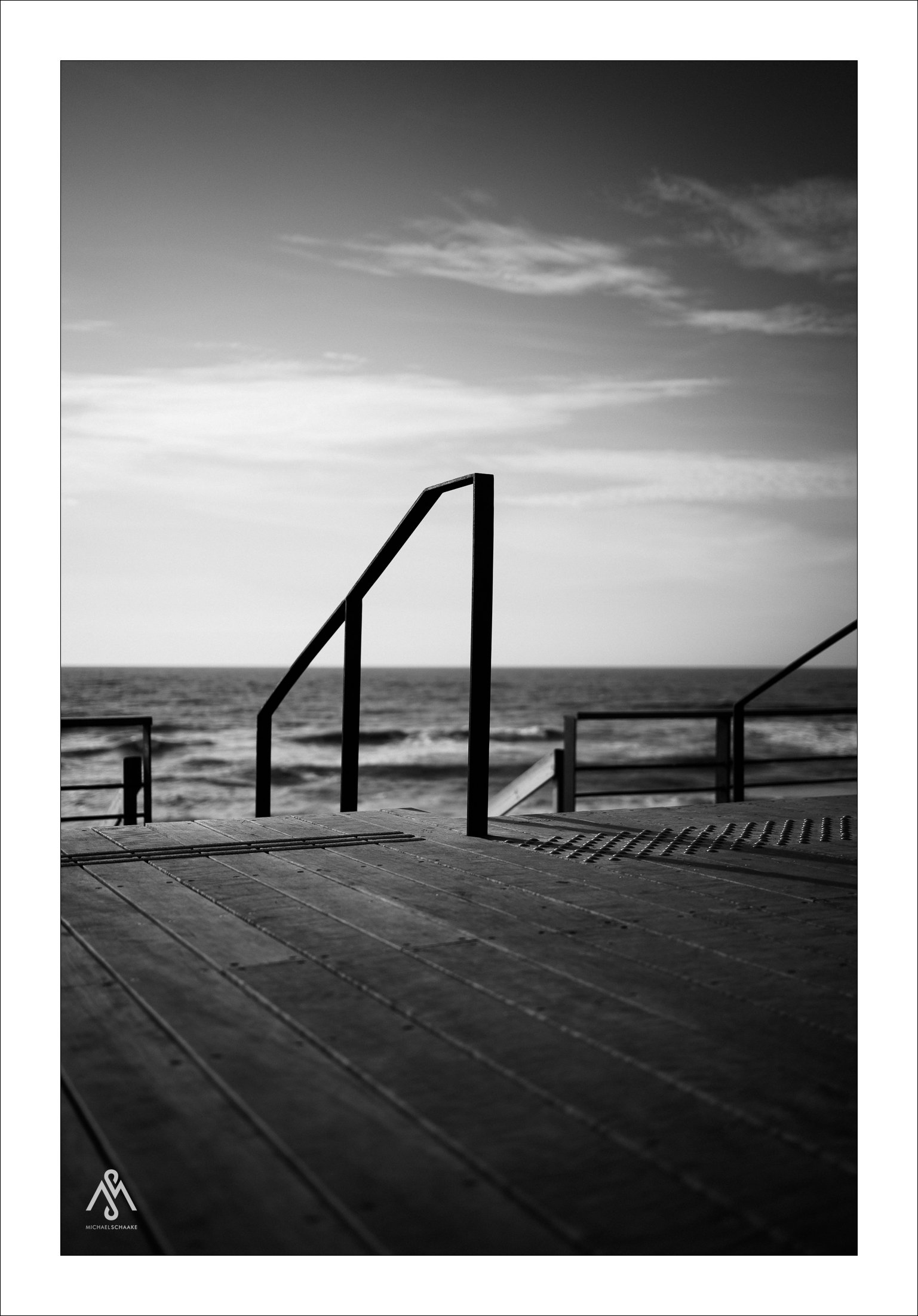
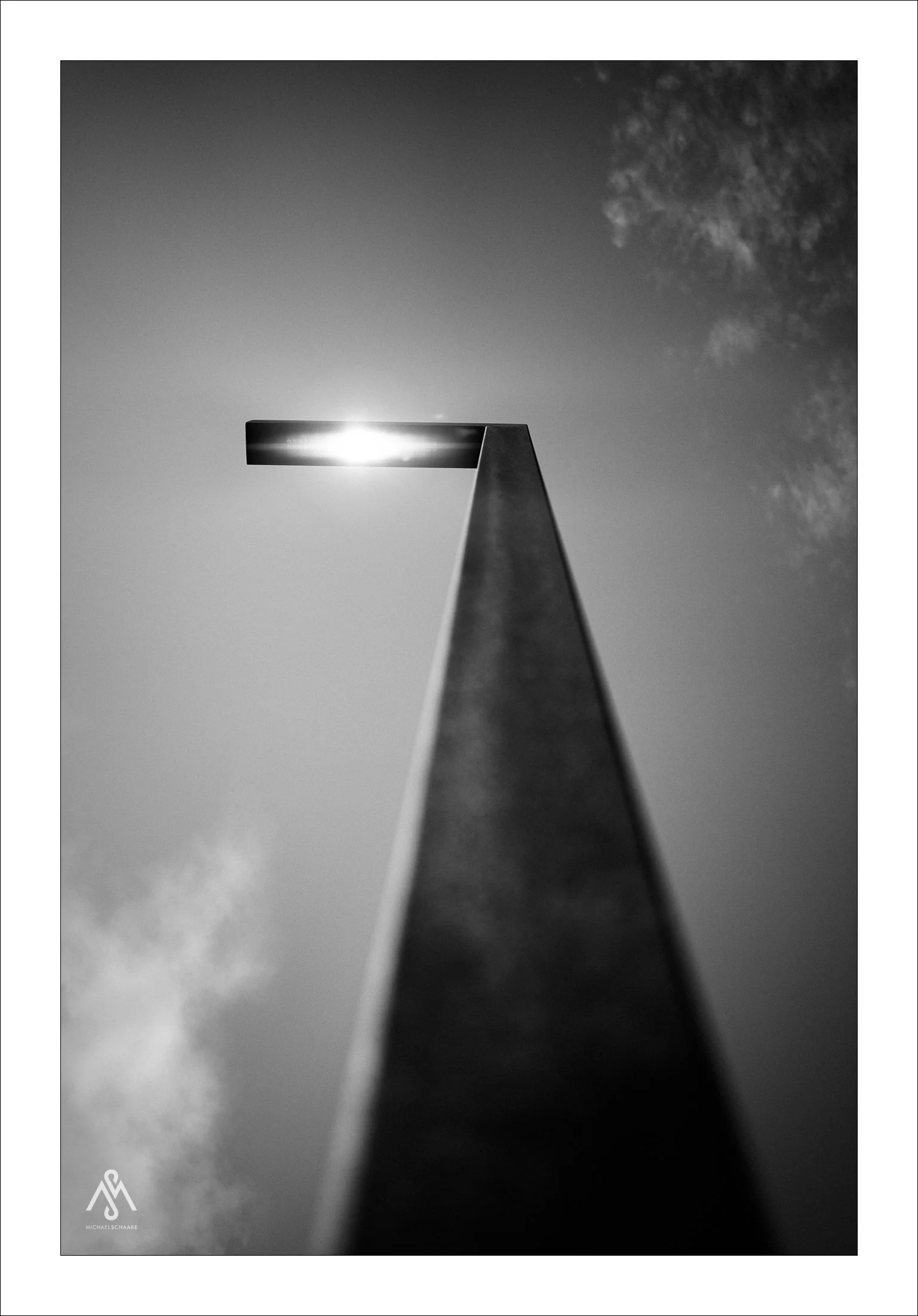
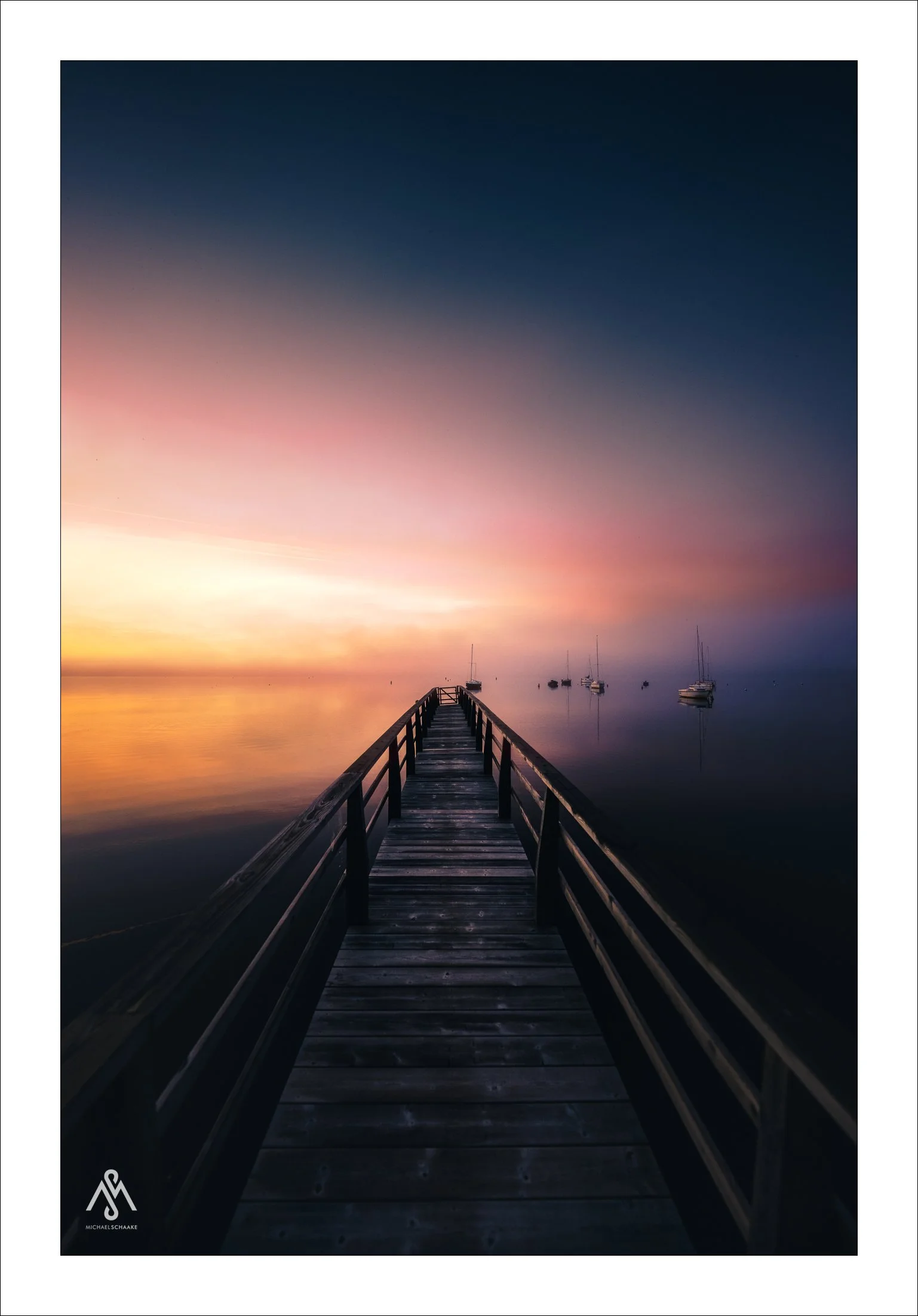
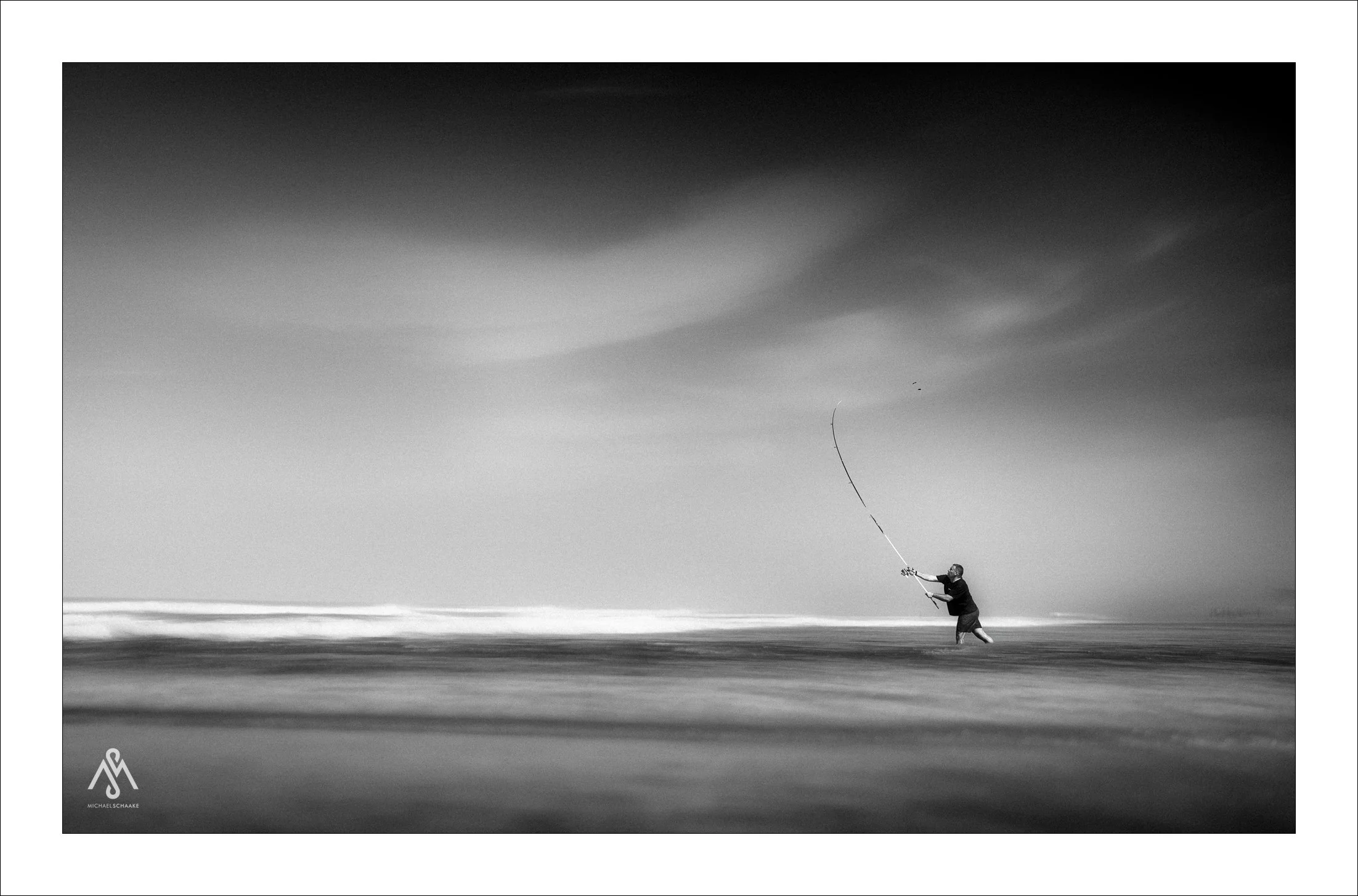
Entstanden ist eine Serie aus Schwarz-Weiß- und Farbaufnahmen. Einige Bilder zeigen das Leben am Strand, andere kleine Szenen im Ort. Dazu kamen stille Morgen am See, getragen von einer wunderschönen Lichtstimmung, in der Farbe plötzlich ganz selbstverständlich wurde. Schwarz-Weiß half mir, Formen, Linien und Kontraste zu verdichten. Farbe wiederum durfte dort bleiben, wo das Licht selbst die Hauptrolle spielte.
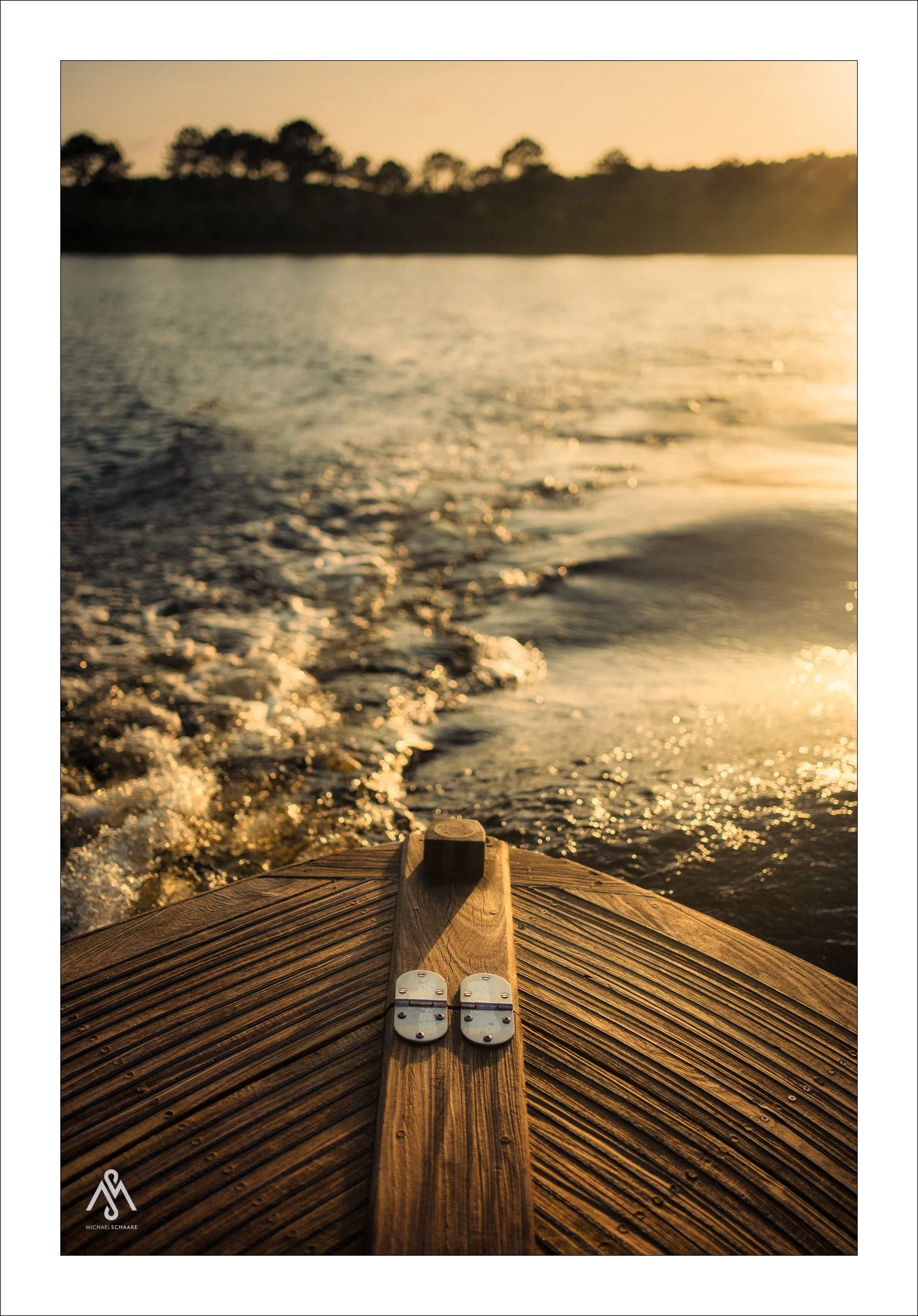
Ein wichtiger Teil dieser Arbeitsweise ist für mich die Kameraergonomie. Besonders das Klappdisplay meiner Sony-Kameras ist dabei viel mehr als nur ein technisches Detail. Es ermöglicht mir Perspektiven, die ich sonst kaum sauber umsetzen könnte: sehr bodennahe Aufnahmen im Hochformat, spontane Blickwinkel aus der Hüfte oder Bilder über Kopf, ohne den Moment zu verlieren. Gerade bei Street-, Beachlife- und Landschaftsmotiven ist das für mich essenziell. Die Kamera wird dadurch flexibler, unauffälliger und ist näher am Geschehen.
So ist diese Serie weniger eine klassische Reise- oder Landschaftsdokumentation geworden, sondern eher ein persönlicher Versuch, einen vertrauten Ort wieder neu zu entdecken. Lacanau-Océan bleibt derselbe Ort – und verändert sich doch mit jedem Blick, mit jedem Licht, mit jedem Jahr.
Vielleicht ist genau das der Reiz daran: Man fotografiert nicht nur den Ort. Man fotografiert auch die eigene Beziehung zu ihm.
Lacanau-Océan – A Familiar Place, Seen Anew
When I was six, I went to the south of France for the first time with my parents. To the Atlantic coast, to Lacanau-Océan. A place that has long since become more than just a holiday destination for me. It is memory, return,. sand beneath my feet, the scent of pine in the air, the sound of the Atlantic in the background.
I’ve been going there for over 50 years now. And perhaps that is precisely where the real photographic challenge lies: when you know a place so well, you eventually come to believe you’ve seen it all. You walk through familiar streets, along well-trodden dune paths, look at the same beach, the same forest, the same light – and sometimes, for all the dunes, you can no longer see the sand.
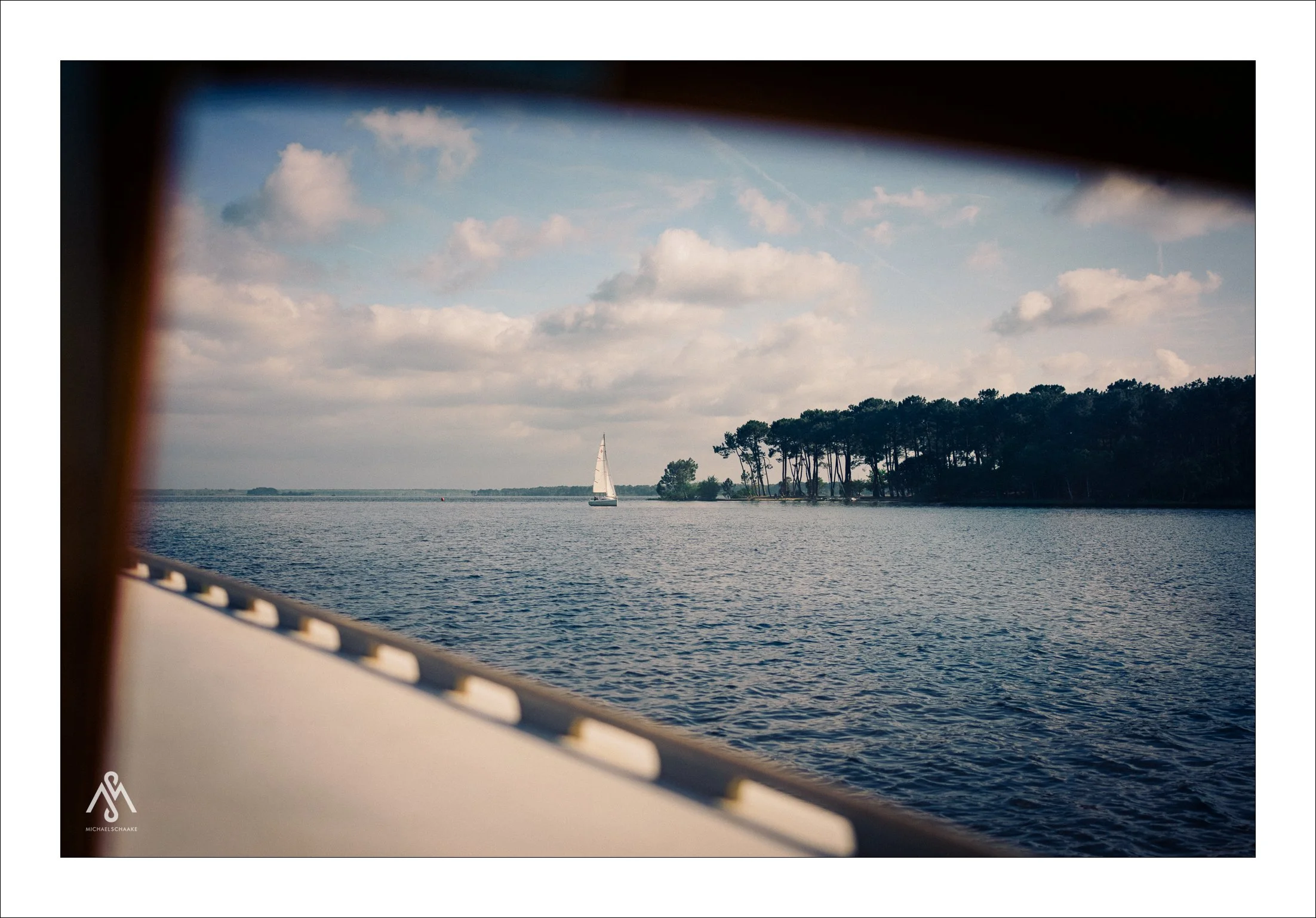
This time I travelled to France with a different perspective. Not with the aim of reinventing the grand landscape, but with the openness to see the small, the incidental and the human too. Because it doesn’t always have to be just the landscape. Sometimes a moment on the beach, a scene in the village or a fleeting movement against the light tells just as much about a place as a sweeping view across lake, forest or sea.
I took my Sony camera Alpha 1 II with me, deliberately limiting myself to just a few lenses: mainly prime lenses and, as the only zoom, the 12–24 mm G Master. This restriction was refreshing. It forces you to make decisions, to walk, to search. Instead of zooming at will, you have to move, change your vantage point, get closer or step back.
It is precisely this approach that often yields the better images.
The result is a series of black-and-white and colour photographs. Some images depict life on the beach, others small scenes in the village. Added to these were quiet mornings by the lake, bathed in a beautiful light, where colour suddenly felt entirely natural. Black and white helped me to distil shapes, lines and contrasts. Colour, on the other hand, was allowed to remain where the light itself played the leading role.
For me, camera ergonomics are a key part of this approach. In particular, the tilting screen on my Sony cameras is much more than just a technical detail. It allows me perspectives that I would otherwise struggle to capture cleanly: shots very close to the ground in portrait format, spontaneous angles from the hip, or overhead shots without missing the moment. This is essential for me, particularly with street, beach life and landscape subjects. It makes the camera more flexible, less conspicuous and closer to the action.
As a result, this series has become less of a classic travel or landscape documentary and more of a personal attempt to rediscover a familiar place. Lacanau-Océan remains the same place – yet changes with every glance, with every light, with every year.
Perhaps that is precisely the appeal: you are not just photographing the place. You are also photographing your own relationship with it.
Translated with DeepL.com (free version)